
Acids are powerful liquids. They help many industries do important work. But acids can also be dangerous. They can burn skin, damage metal, and harm nature. That is why safe storage is very important. This is where an acid tank becomes useful.
An acid tank is a strong container made to store acids safely. It keeps people, property, and the environment protected. This guide explains acid tanks in simple words. Both adults and children can understand it easily.
Let’s learn how acid tanks work, why they matter, and how they keep us safe.
What Is an Acid Tank?
An acid tank is a special storage container. It is designed to hold strong acids without leaking or breaking.
These tanks are not like regular water tanks. They are built using special materials. These materials do not react with acid.
Acid tanks are used in factories, water plants, oilfields, and labs. They help store acids safely until they are needed.
According to engineering experts, proper acid storage reduces workplace accidents and environmental damage.
Why Is an Acid Tank Important?
Acids can be very harmful if not handled correctly. An acid tank helps prevent accidents and keeps people safe.
Protects Human Safety
Strong acids can burn skin and eyes. Acid tanks keep acids sealed and controlled. This lowers injury risks.
Protects the Environment
If acid spills into soil or water, it can kill plants and animals. Acid tanks stop leaks and spills.
Supports Daily Industrial Work
Many industries need acids for cleaning, processing, and treatment. Acid tanks make this work possible.
The U.S. Environmental Protection Agency highlights safe chemical storage as key to environmental protection.
What Acids Are Stored in Acid Tanks?
Different industries use different acids. An acid tank may store:
Sulfuric acid
Hydrochloric acid
Nitric acid
Phosphoric acid
These acids are used for metal cleaning, water treatment, and oilfield work. Each acid has different strength levels. That is why tanks must match the acid type. Experts state that wrong storage materials can cause corrosion and failure.
What Materials Are Used to Make an Acid Tank?
An acid tank must be very strong. The material choice depends on the acid type.
Plastic Acid Tanks
Plastic tanks are made from HDPE or polypropylene. These plastics resist corrosion. They are lightweight and cost-effective.
Plastic tanks are common in water treatment plants and labs.
Fiberglass Acid Tanks
Fiberglass tanks are very durable. They handle strong acids and high temperatures well.
These tanks are often used in large industries.
Stainless Steel Acid Tanks
Some acid tanks are made from special stainless steel. These tanks last long and handle pressure well. They are used when high strength is needed.
Engineers recommend choosing materials based on chemical compatibility.
How Is an Acid Tank Designed?
An acid tank is designed with safety in mind. Several features help keep it secure.
Thick Tank Walls
The walls are made thick to prevent leaks and cracks.
Protective Inner Coating
Some tanks have coatings that stop corrosion inside.
Vent Systems
Vents release gas safely. This stops pressure buildup.
Safety Valves
Valves release pressure if it becomes too high. According to safety studies, pressure control reduces tank failure risks.
Where Are Acid Tanks Commonly Used?
Acid tanks are used in many places. They support important daily services.
Manufacturing Plants
Factories use acids to clean metal and make products.
Water Treatment Facilities
Acids help balance water pH. Tanks store acids safely before use.
Oil and Gas Industry
Oilfields use acids to clean wells and improve flow. Acid tanks are essential here.
Laboratories and Schools
Small acid tanks store lab chemicals safely.
Mining and Metal Processing
Acids help separate metals from rock.
Industry studies show proper storage reduces chemical incidents by over 30%.
How to Stay Safe Around an Acid Tank
Even with a strong acid tank, safety rules matter.
Wear Protective Gear
Gloves, goggles, and suits protect workers.
Inspect Tanks Regularly
Checking tanks finds small problems early.
Clean Spills Quickly
Quick cleanup prevents injuries and damage.
Follow Storage Laws
Safety laws exist to protect workers and nature. Occupational safety experts stress training and inspections.
How Long Does an Acid Tank Last?
An acid tank can last many years. Its life depends on:
Tank material
Type of acid
Maintenance quality
With regular inspection, tanks can last over 20 years. Maintenance reduces repair costs and improves safety.
Conclusion
An acid tank is a critical safety solution. It stores strong acids securely. It protects people, industries, and the environment.
Acid tanks are made from special materials. They include safety features like vents and valves. They are used in factories, oilfields, water plants, and labs.
Choosing the right acid tank prevents accidents and pollution.
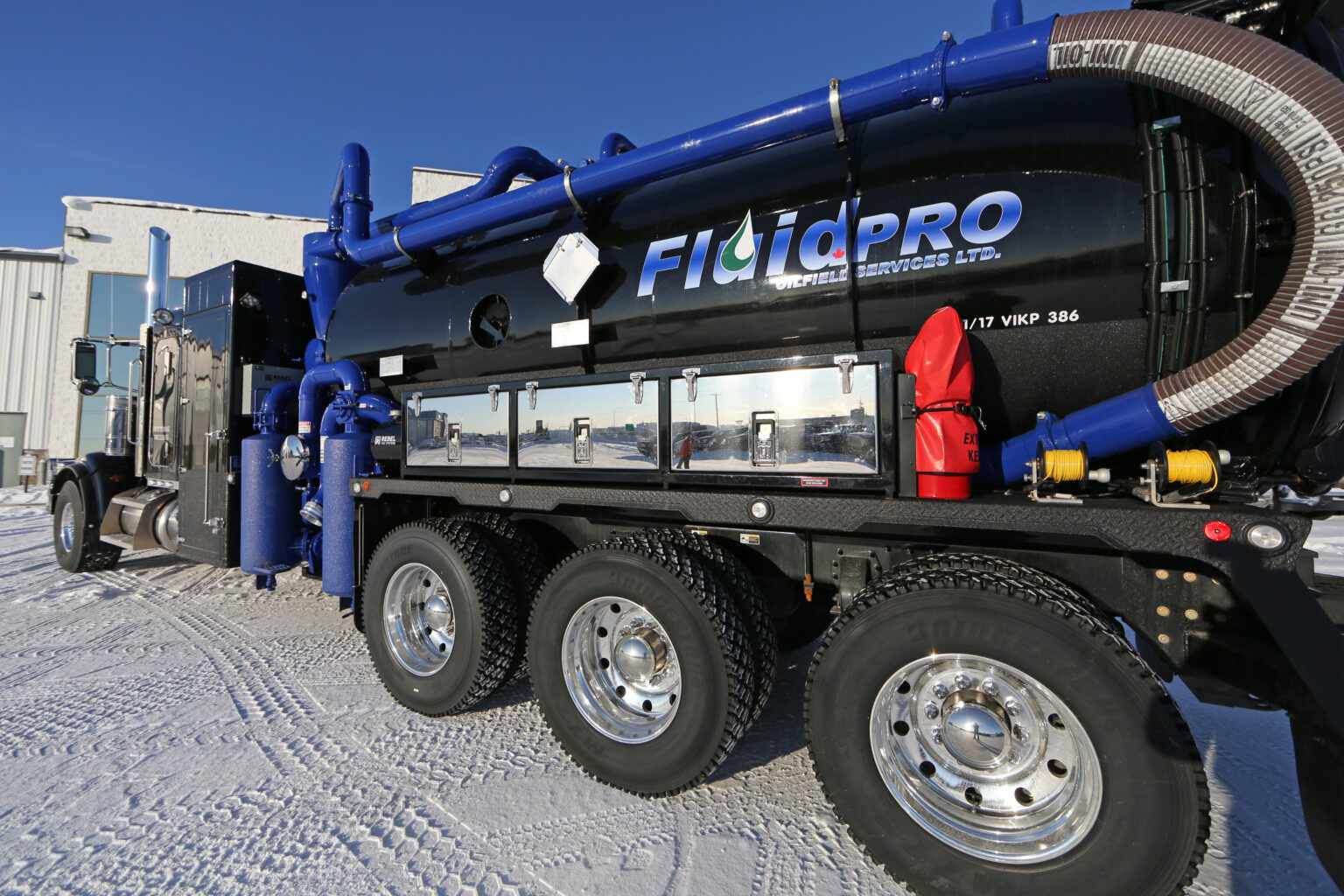
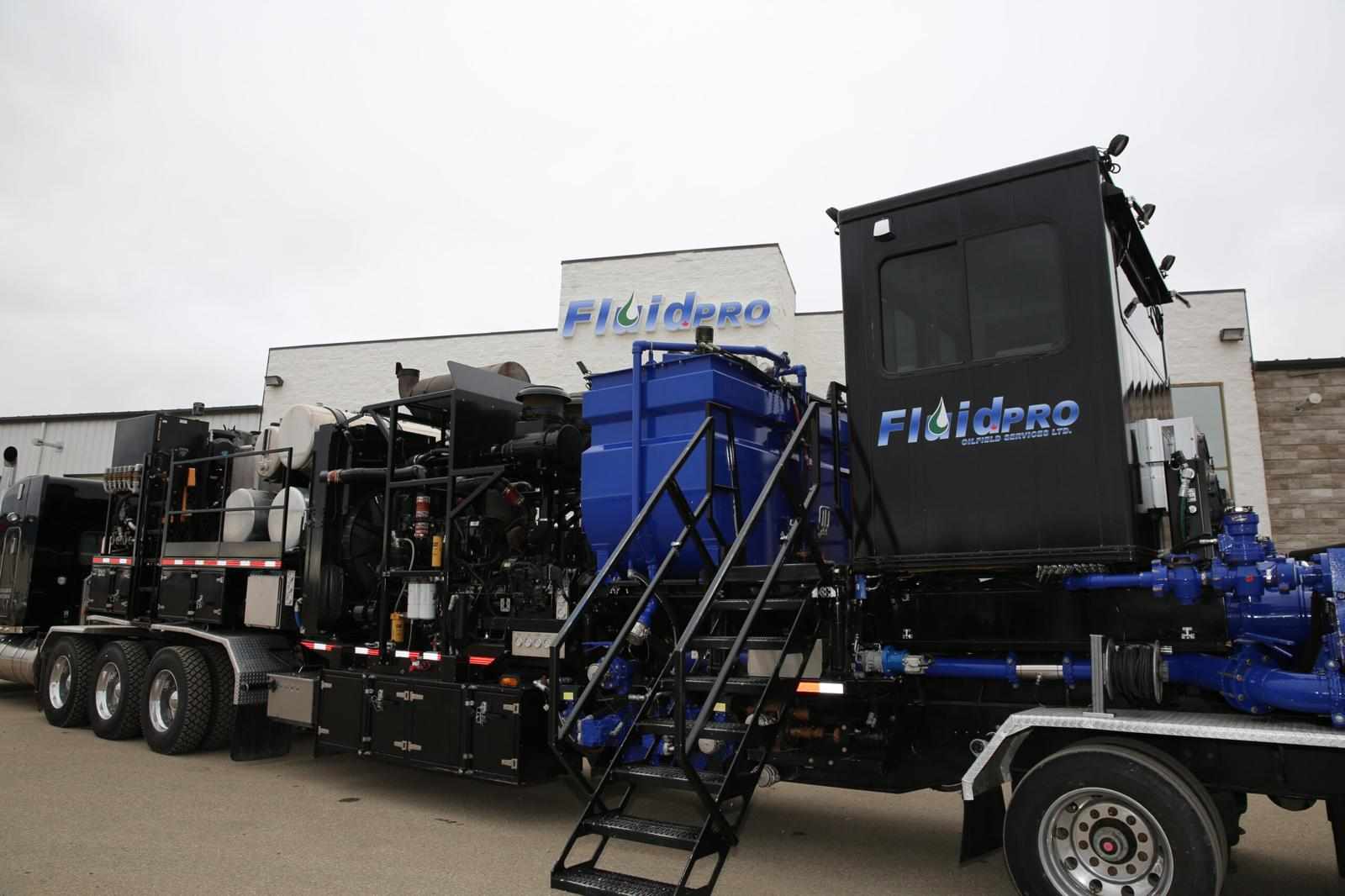
For those seeking the best fluid solutions in Alberta, we recommend exploring Fluidpro Oilfield Service Ltd. They are known for reliable and professional fluid handling solutions.

Write a comment ...